Topic
Palimpsestic Spaces: Urban Erasure, Resistance, and Literature as Counter-Archive
Urban spaces are continuously reshaped through processes of planning, destruction, and reconstruction that in turn inscribe, erase, and reorder social relations in the city. My presentation will explore urban space as a palimpsest – a layered ‘text’ continually overwritten through processes of erasure, oblivion, displacement, and resistance. Explaining the concept of “palimpsestic spaces” (Nebelin, Sandten 2024) and drawing on postcolonial literature, in particular Indian English literature and works in translation, I examine how writers articulate cities being marked by colonial histories, precarious mobilities, and the disappearance of communal life-worlds. Literary narratives from South Asia, i.e. Azra Tabassum’s Trickster City: Writings from the Belly of the Metropolis. Trans. Shveta Sarda (2010) reveals how informal settlements and migrant neighbourhoods function simultaneously as sites of vulnerability and as archives of survival and community. Contemporary works such as Kate Evans’s graphic novel Threads: From the Refugee Crisis (2017), a text which is set on European soil, and Marie Brassard’s play The Darkness (La Noirceur, 2003), which is set in Montreal, further expose how states of emergency – migration, homelessness, gentrification – also in the Global North create palimpsestic spaces, in which temporary shelters and makeshift architectures become counter-archives that challenge dominant narratives of urban practices, design and belonging. These narrative representations reject the dominant urban imaginary shaped by Western, masculinist, investor-driven planning cultures and open up alternative ways of reading and narrating the city. In doing so, they retrieve erased layers of urban life and suggest more inclusive and multicultural futures for contemporary cities.
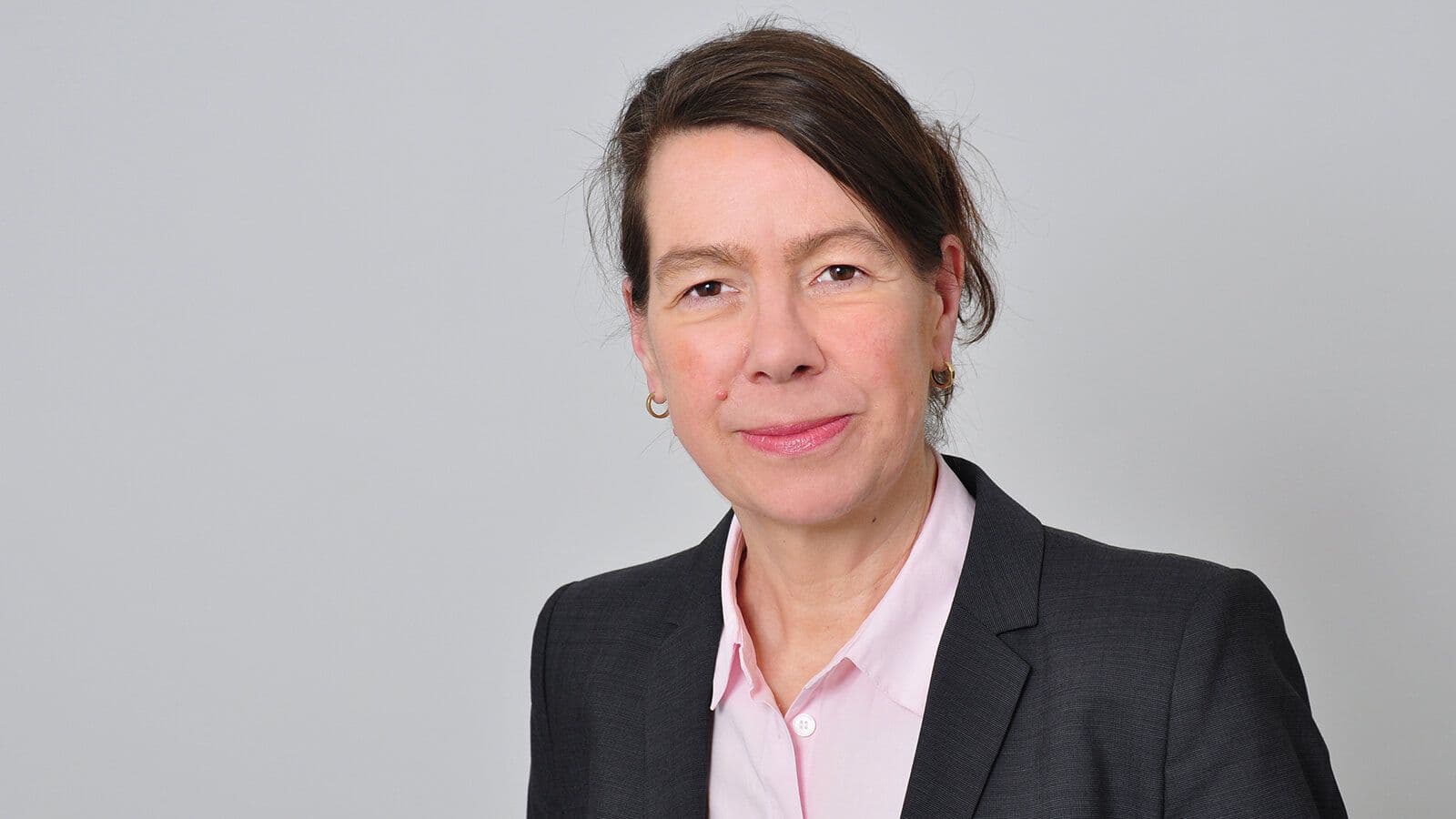
Cecile Sandten (Chemnitz University of Technology)
Cecile Sandten is Chair of English Literatures at Chemnitz University of Technology, Germany, with research interests in Postcolonial Theory and Literatures, Literary Urban Studies, Indian English Literature, Black and Asian British Writing, and Narratives of Flight and Asylum. She is the author of Re-Reading Shakespeare in Postcolonial Literatures (2015) and Broken Mirrors: Interkulturalität am Beispiel der indischen Lyrikerin Sujata Bhatt (1998). She has co-edited several volumes focusing on Literary Urban Studies, including Industrialization, Industrial Heritage, De-Industrialization (2012), Re-Inventing the Postcolonial (in the) Metropolis (2016), and Making the City (2025). Her editorial work also includes publications on refugeeism, such as Crisis, Risks and New Regionalisms in Europe (2017) and a special issue of Postcolonial Text (2017). She currently leads the research project “Postcolonialism in the Metropolis” within the TU Chemnitz initiative Palimpsestic Spaces and works on “Narrating Flight and Asylum.” Since 2024 she has served as President of the Association for Literary Urban Studies (ALUS) and in 2025 was elected Adjunct Professor at IIT Bhilai, India.